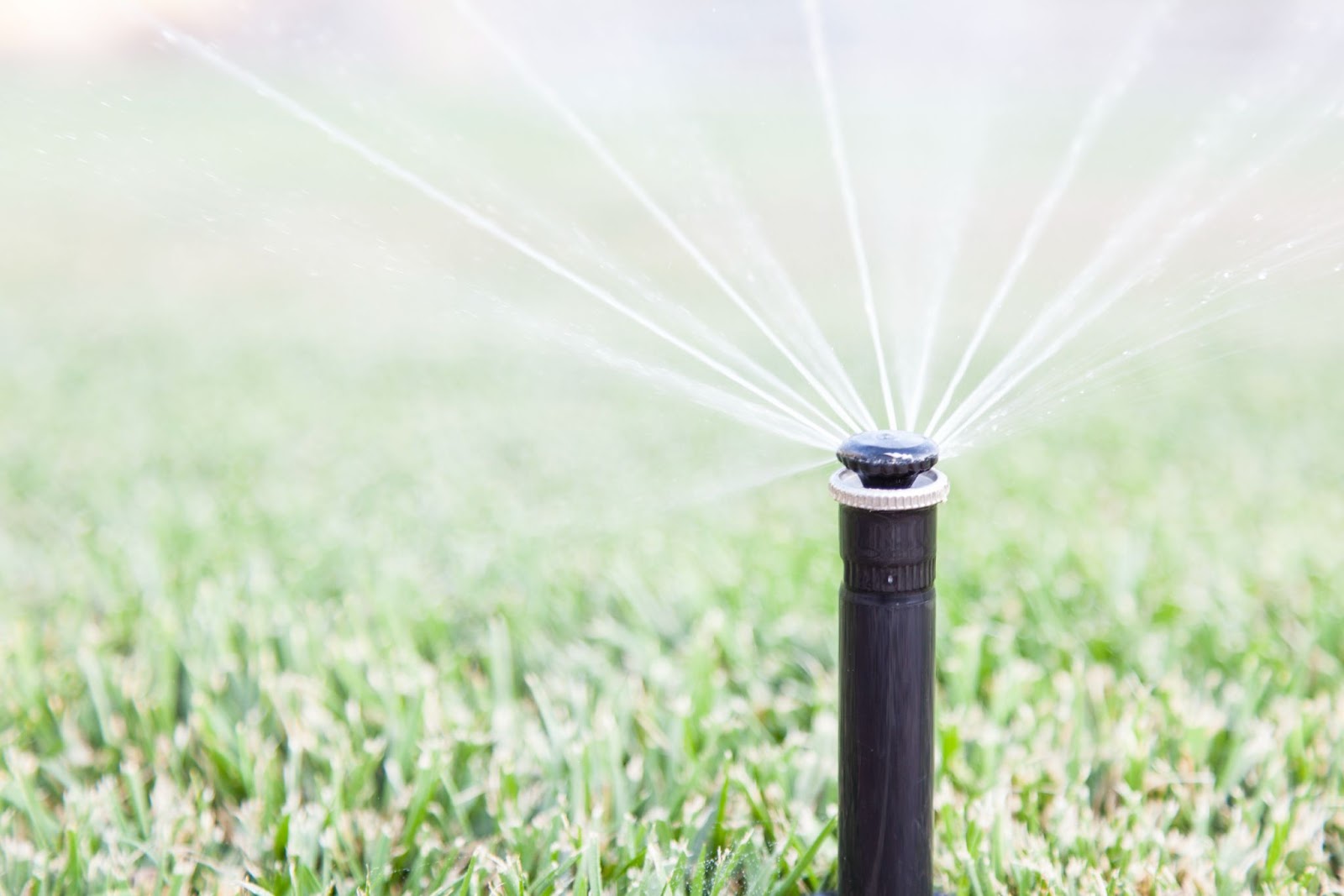
Southeastern North Carolina is renowned for its stunning coastal landscapes, meticulously tended gardens, and lush lawns, a true testament to the care invested by homeowners and landscaping professionals alike. As the seasons shift and winter approaches, a crucial consideration emerges: Is your sprinkler system ready? Ensuring that your sprinklers are adequately prepared for winter is not just about safeguarding your garden’s well-being but also about extending the life of your irrigation system. Let’s delve into the realm of winterization and understand why prioritizing it is essential for every North Carolinian homeowner.
The Significance of Winterizing Your Sprinklers
While North Carolina may not face the most severe winters, unexpected cold snaps pose a substantial risk to unprepared sprinkler systems. Winterizing is more than a precaution; it’s an investment in the future of your landscape. The advantages include:
- Prevention of potential damage caused by frost.
- Extension of the operational lifespan of your sprinklers.
- Cost savings by avoiding springtime repairs or complete system overhauls.
Understanding Your System: Types of Sprinkler Systems and Components
Knowledge is key. Familiarizing yourself with the specifics of your sprinkler system ensures a successful winterization.
- Manual Drain Systems: These systems rely on gravity and require manual intervention to drain water.
- Automatic Drain Systems: Engineered to automatically drain upon system shutdown.
- Blow-Out Systems: These systems use compressed air to forcibly remove residual water.
Delving into Manual Drain Winterization
For those with manual systems, the process is straightforward but requires attention to detail.
- Deactivate the water supply.
- Identify and access manual valves at strategic points in your system.
- Open each valve to allow water drainage.
- Elevate each sprinkler head to ensure complete water removal.
The Automatic Drain Method: A Closer Look
Automatic systems simplify the process but still require some manual input.
- Turn off the primary water supply.
- As water pressure drops, the system’s inherent mechanism will initiate the draining process.
- As a secondary measure, slightly raise each sprinkler head to check for lingering water.
Navigating the Blow-Out Method
While effective, this method requires caution and the right tools.
- Prioritize safety: Wear protective eyewear.
- Attach a suitable air compressor to your irrigation system.
- Gradually increase air pressure, being cautious not to exceed safe levels.
- Sequentially activate each sprinkler head, starting from the farthest and progressing closer until they emit only air.
The Overlooked Consequences of Inadequate Winterization
An improperly winterized system can lead to various issues:
- Pipe damage from freezing, expanding water.
- Malfunctioning or broken sprinkler heads.
- Unexpected and costly repairs or replacements when spring arrives.
Addressing FAQ’s About Sprinkler Winterization:
- Is annual winterization necessary? Yes, regular winterization safeguards your long-term investment.
- Optimal timing for winterization in North Carolina? Late fall, well before the first frost is recommended.
Pinpointing the Ideal Time for Sprinkler Winterization in North Carolina
Given the unpredictable weather patterns in Southeastern North Carolina, proactive action is wise. Starting the winterization process in late fall provides a buffer against unforeseen cold spells, ensuring you’re never caught unprepared.
Need Professional Help?
Winterizing sprinklers goes beyond seasonal preparation—it reflects a homeowner’s commitment to preserving the aesthetics and health of their landscape. Don’t leave your sprinklers to the mercy of winter’s unpredictability. Choose the best. Reach out to Bianchi Brickyard & Landscape Supply today, and let’s ensure that when winter recedes, your garden stands ready to bloom in all its glory.